
Milton’s Introduction to the Candy Business
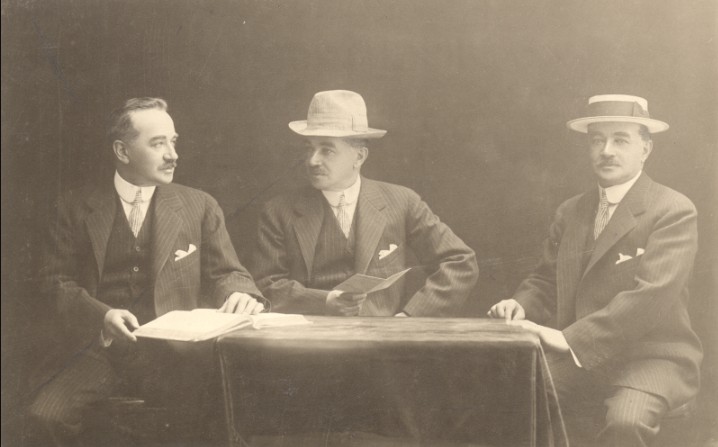
Milton S. Hershey learned the art of candy making from Joseph Royer. At Royer’s Ice Cream Parlor and Garden, he learned by doing. In the kitchen, he learned to feel the “crack” of the candy: the subtle signs a batch was ready to be removed from the kettle. He saw firsthand how timing and temperature shaped the final taste.
He also made plenty of mistakes along the way. Once, while roasting peanuts for peanut fudge, he left to watch a theater show at the old Fulton Opera House. Inside the theater, he smelled the peanuts burning. He returned to charred peanut shells flying out the flue and blowing around the ice cream garden.
Despite these mistakes, Milton Hershey worked for Joseph Royer for almost four years. He experimented with recipes and ingredients, developing the skills that would later fuel his success.
Then, he ventured out on his own.
Milton’s First Business
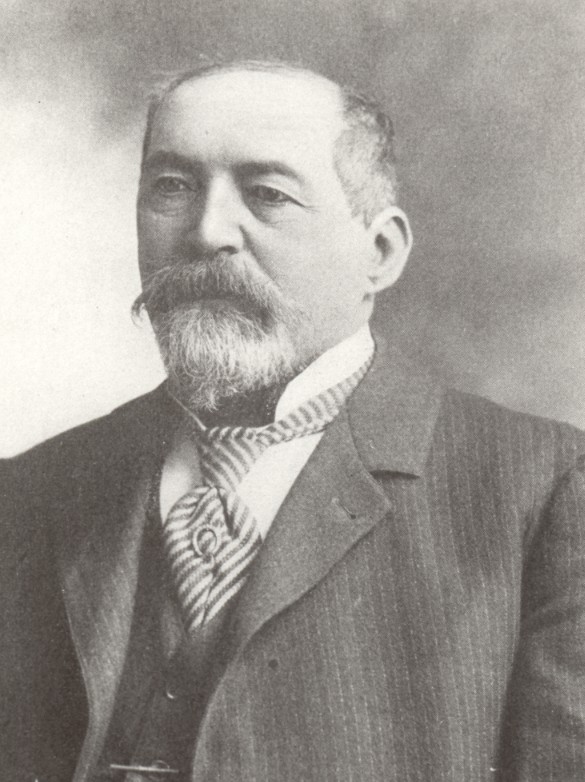
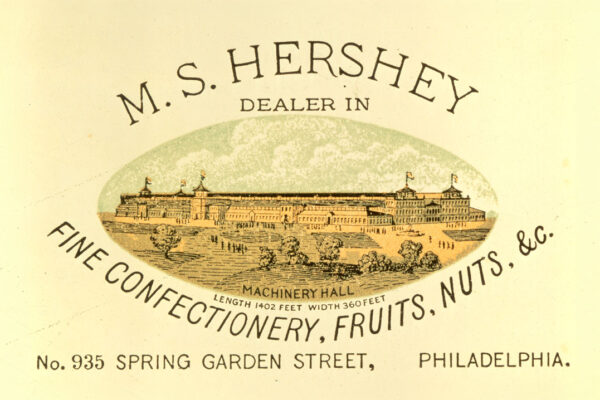
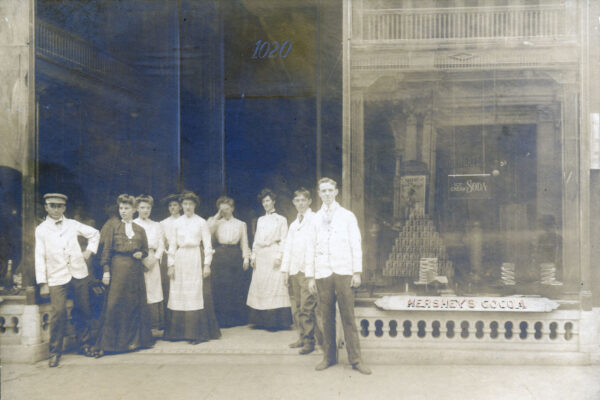
In 1876, Milton Hershey left Lancaster to start his own candy business in Philadelphia. There, he sold penny candies, ice cream, caramels, and dried fruit and nuts.
The confectionery competition was fierce. He worked hard to draw customers, even hiring a band on the Fourth of July to bring people in. Cash stayed tight. Suppliers wanted payment up front, while customers often bought on credit. Hershey could not keep ahead of his bills.
Milton Hershey borrowed from his uncle, Abraham Snavely, to keep going. But after six years of struggle, the shop collapsed. His first venture ended in bankruptcy.
One Failure After Another
Milton Hershey chased opportunities in other cities: first in Denver, Colorado, Chicago, Illinois, and New Orleans, Louisiana. Then, he opened a shop in New York City. That effort failed, too.
Finally, Milton Hershey returned to Lancaster, Pennsylvania. It was there, using the knowledge gained from his past mistakes, that he would finally strike upon sweet success.
The Caramel That Changed Everything
In Denver, Milton Hershey had learned how to make caramel using fresh milk instead of paraffin wax. The result was smoother, richer, and better tasting than many competitors’ candies. It also had a longer shelf life. These details gave him an edge.
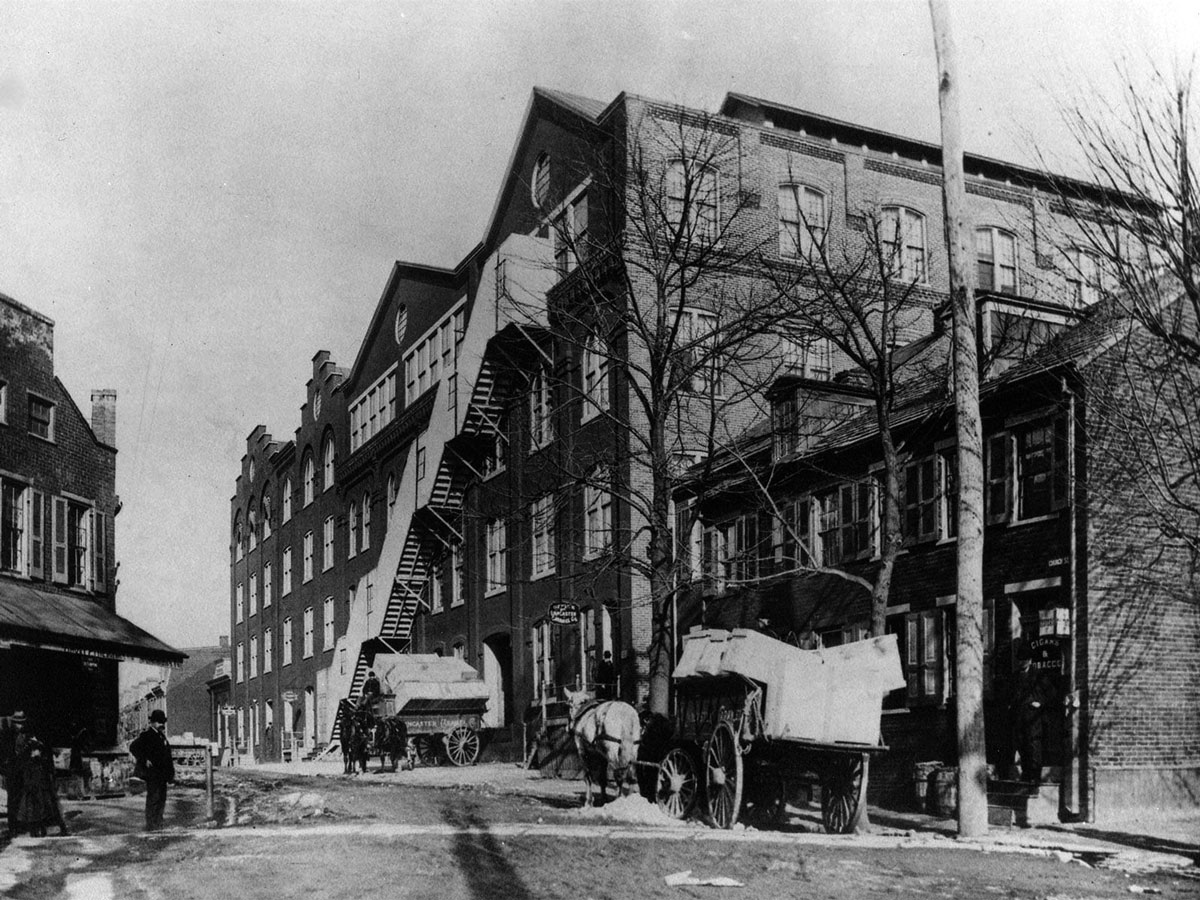
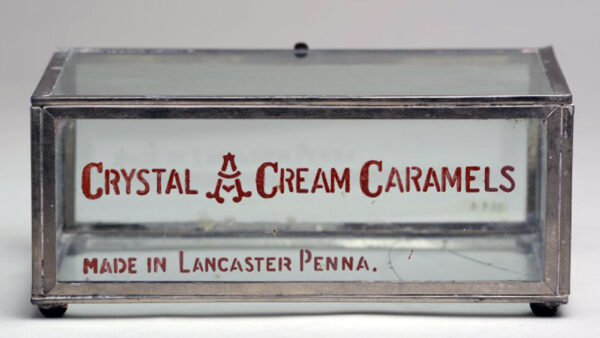
Back in Lancaster, Milton Hershey built the Lancaster Caramel Company. His most popular product line was “Crystal A” caramels, a “melt in your mouth” candy made with fresh milk.
Orders expanded beyond Pennsylvania and into international markets. By 1894, Milton Hershey was considered one of Lancaster’s most substantial citizens. But that was only the start of his success.
The $1 Million Bet on Chocolate
Milton Hershey began seriously experimenting with chocolate after seeing chocolate-making equipment at the 1893 World’s Columbian Exposition.
In 1894, he organized the Hershey Chocolate Company as a subsidiary of the caramel business.
In 1900, Milton Hershey sold the Lancaster Caramel Company to the American Caramel Company for $1 million. He kept the rights to his chocolate business. He later called it the best business deal he ever made.
“Caramels are a fad; chocolate is permanent. I am going to make chocolate.”
Go Back in Time:
Hershey’s Soda Fountain and Candy Store
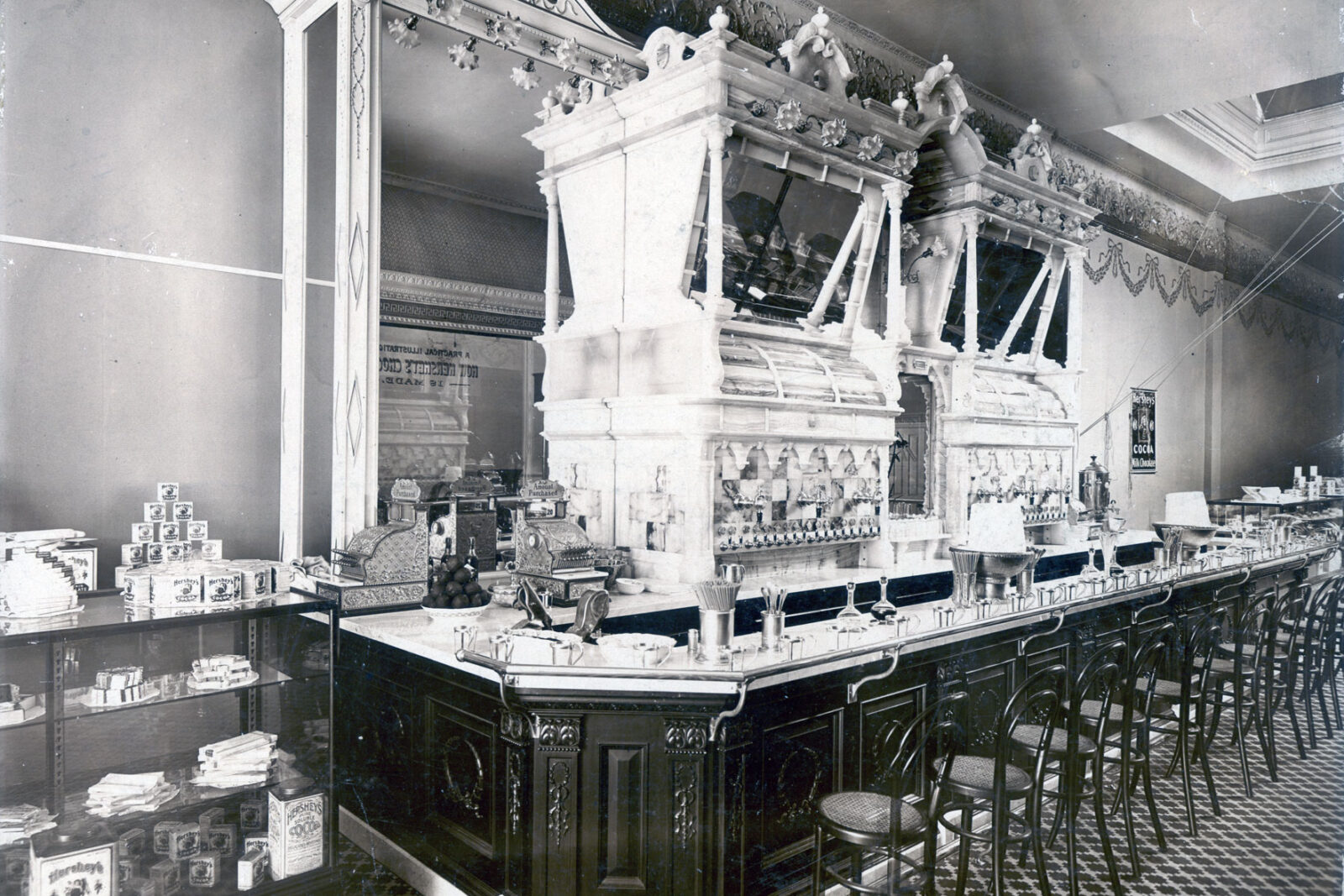
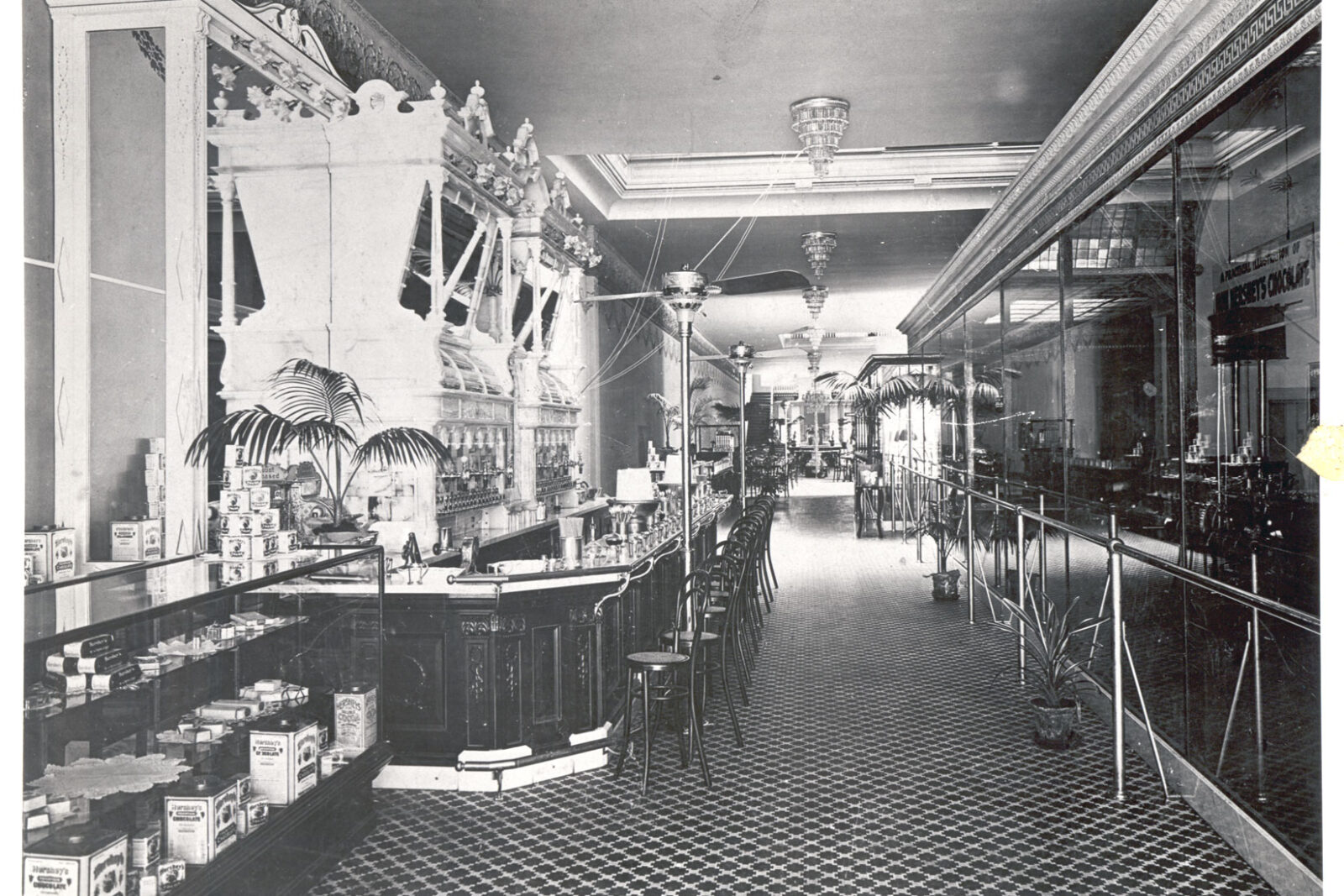
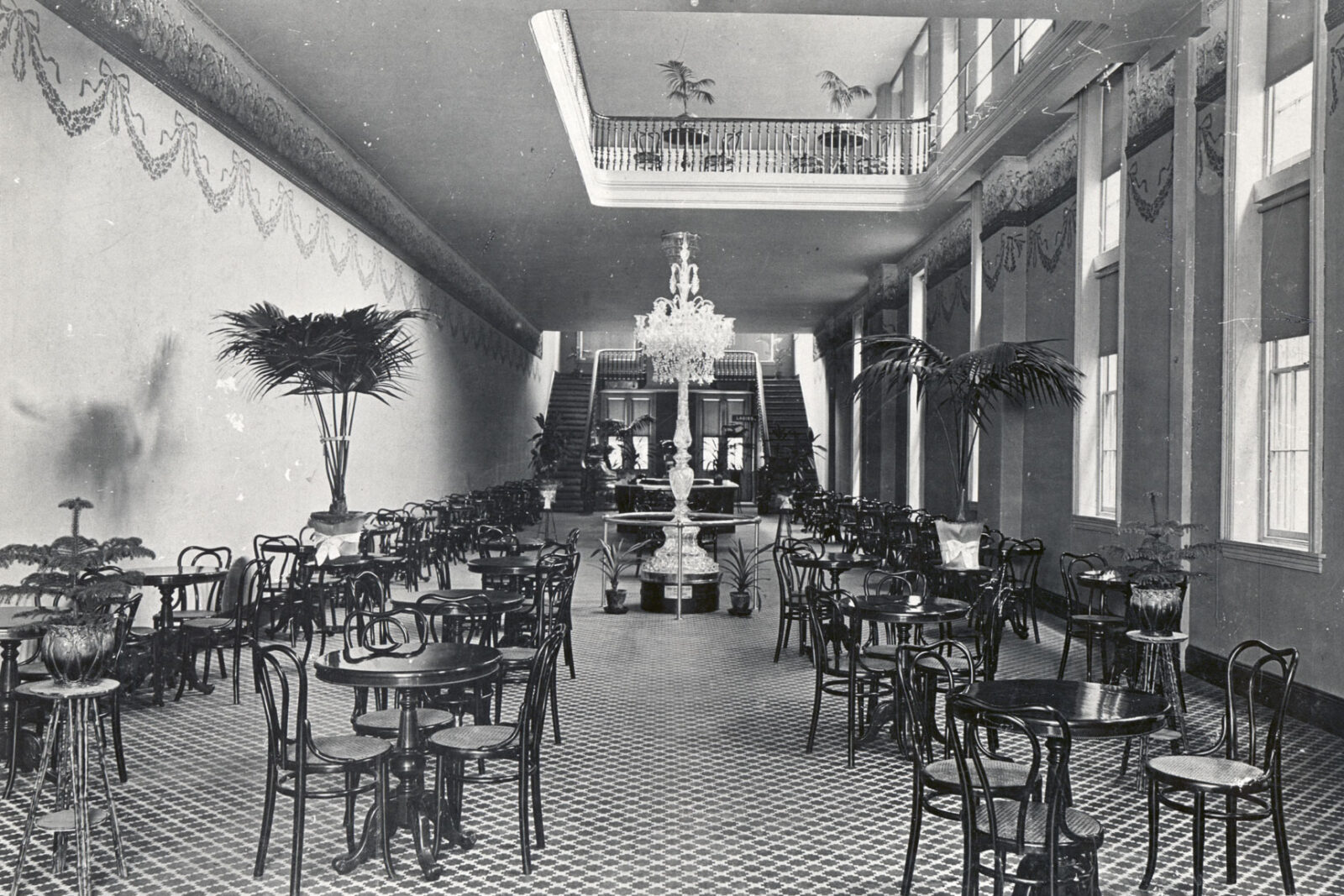

Timeline of Hershey’s Early Years in Business
1871
Milton Hershey ended his formal education and was apprenticed to Samuel Ernst, printer, in Gap, Pennsylvania. He was fired shortly thereafter.
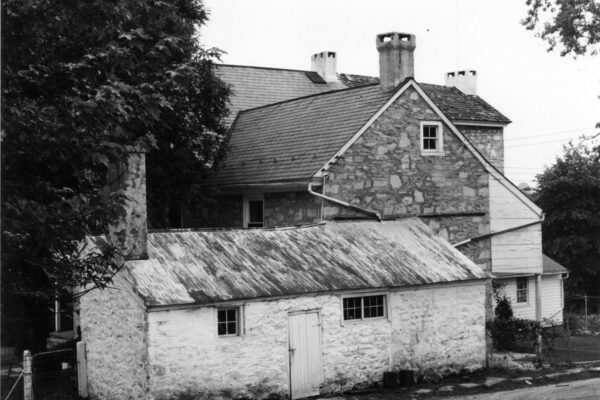
1872
Milton Hershey was apprenticed to Confectioner Joseph R. Royer in Lancaster, Pennsylvania.
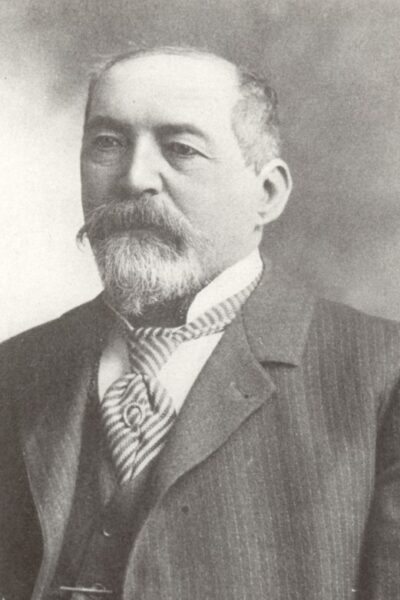
1876
Milton Hershey established his first business making and selling candy in Philadelphia, Pennsylvania.
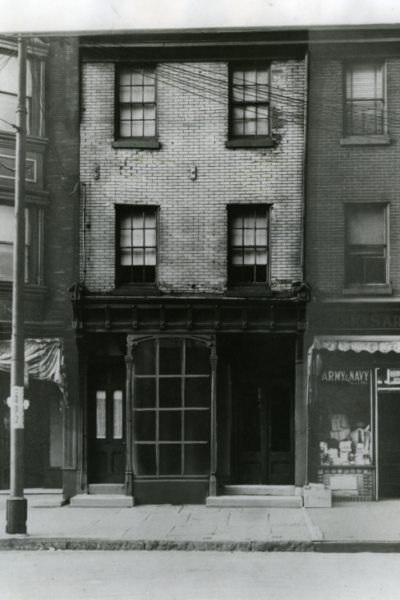
1881
Milton Hershey was granted his first patent for a candy display case.
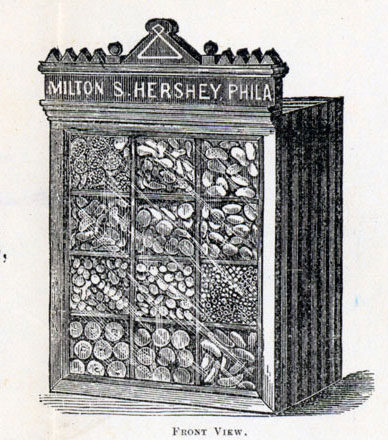
1882
Milton Hershey’s Philadelphia business closed.
1883
Milton Hershey began his second business venture in New York City, New York.
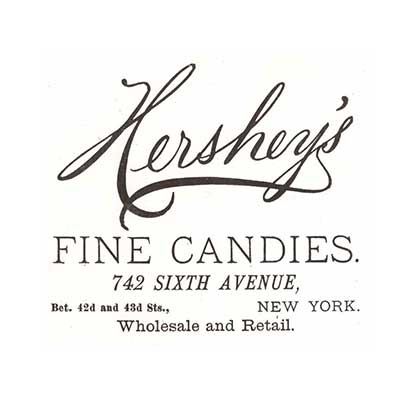
1886
Milton Hershey returned to Lancaster, Pennsylvania and began his third confectionery business, the Lancaster Caramel Company.
1894
Hershey organized the Hershey Chocolate Company as a subsidiary of the caramel business.
1900
Hershey sold the Lancaster Caramel Company to the American Caramel Company for $1 million, but kept the rights to his chocolate business.
Trivia About Hershey’s Early Years in Business
1. What kind of job did Milton Hershey take at age 14?
Correct! Not quite — C is correct!
2. In what city did Milton Hershey first open his own candy shop?
Correct! Not quite — B is correct!
3. What happened to Milton Hershey’s first candy business?
Correct! Not quite — A is correct!
4. What was the name of Milton Hershey’s successful caramel company?
Correct! Not quite — C is correct!
5. What was the trademark under which Milton Hershey’s caramels were manufactured?
Correct! Not quite — B is correct!
6. What figure appeared on one of Milton Hershey’s earliest company logos?
Correct! Not quite — D is correct!
Explore More of The Hershey Legacy
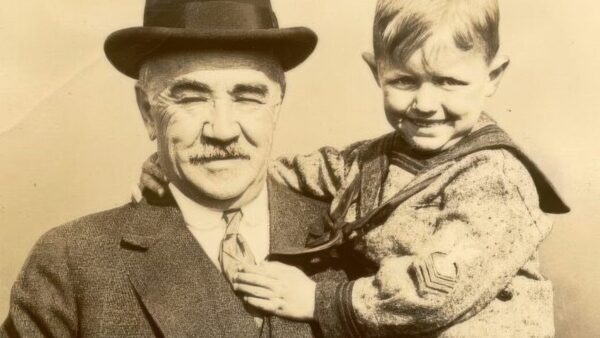
Values and Vision
Discover the beliefs that guided Milton Hershey’s decisions and see how his commitment to fairness, hard work, and opportunity shaped his legacy.
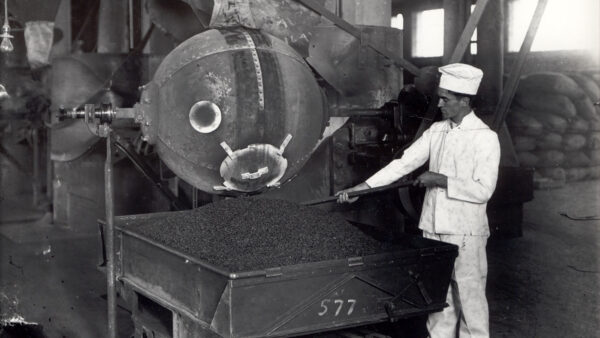
Making Hershey’s Chocolate
Discover the process that helped define an American classic, and see how Milton Hershey’s original methods compare to chocolate making today.